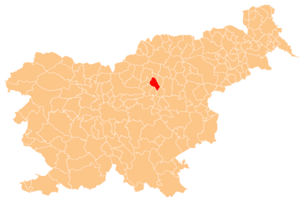
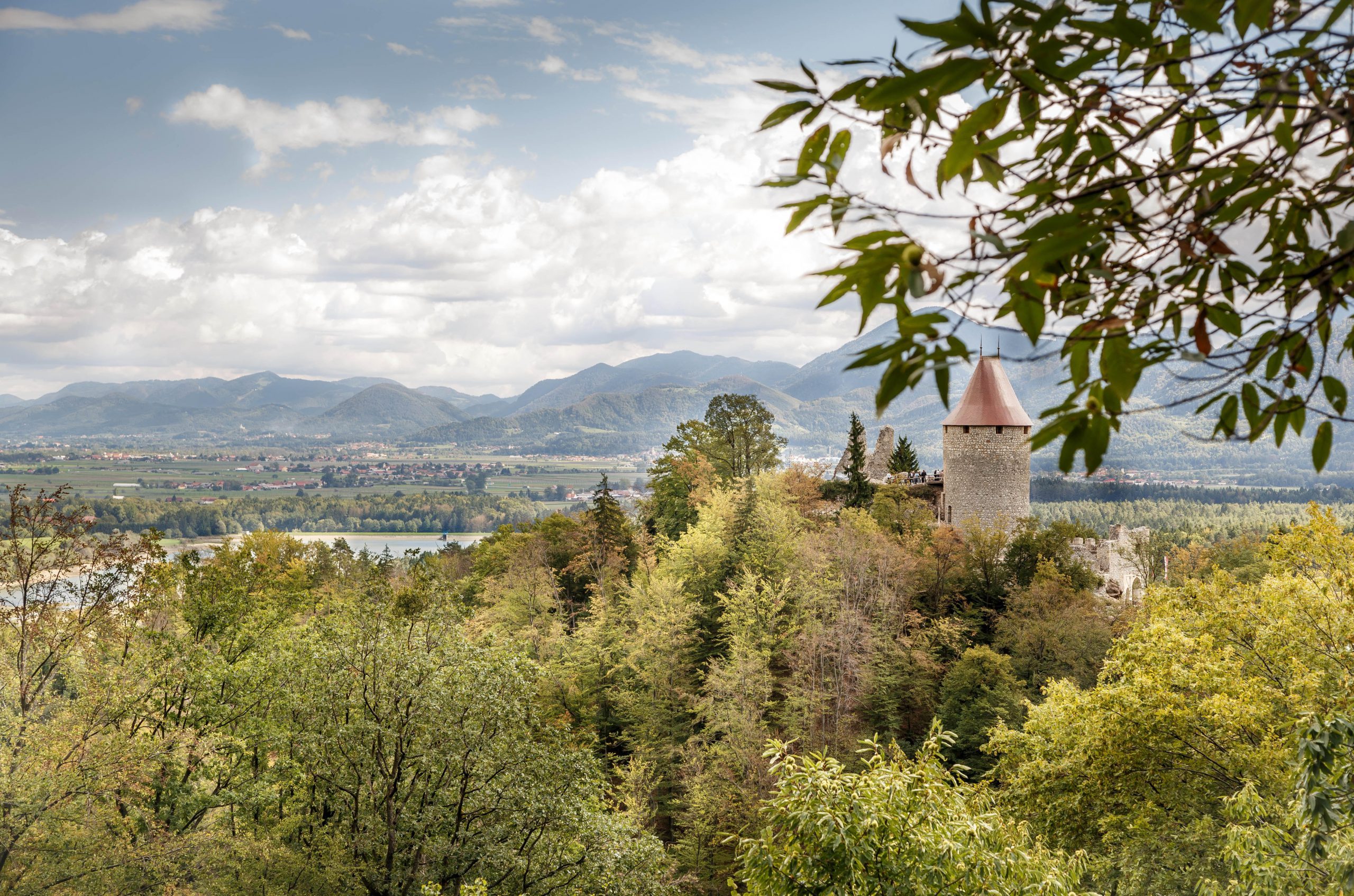
Deep in the heart of a fairy-tale like chicken-shaped country, there lies a small municipality known as Braslovče. Situated in the lower valley of the Savinjska river, the entire population of the municipality numbers under 6,000 people. As you will have the chance to see and explore, it is full of the beauty of nature – forests abound, as do hills with typical Karst phenomena, such as sinkoles, as well as traditional Slovenian buildings such as granaries (called kašča) and hayracks (called kozolec). The largest town is, unsurprisingly, Braslovče. It is one of the oldest settlements in the area – by which I mean not only the valley of the Savinjska river, but Slovenia in general.
Now, most of HEMAists are huge nerds, so here’s something to feed your nerdom a bit further:
BRASLOVČE, ITS COAT OF ARMS, AND ITS FLAG
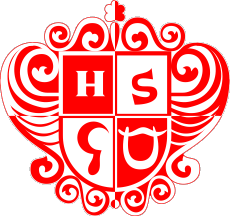
The Braslovče coat of arms is shield-shaped, and separated into four areas. The first field holds the letter H, and the second the letter S, supposedly signifying the name “Heliger Sebastian.” It is said this is due to the Brotherhood of St. Sebastian, which is mention in primary sources from the 16th century.
The third field contains a sickle, and the fourth an ox yoke. Both of these are tied to the main historic activities of the area, agriculture and animal husbandry. The coat of arms got its red colour since it is the colour of the Žovnek family.
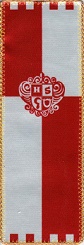
The flag is rectangular in a 3:1 format, and is again based on the Žovnek colours. The coat of arms is positioned in the center, with four areas alternating in white and red, opposite the coat of arms colours in its respective field. There are also small squares on top and bottom, representing castle walls.
CASTLE ŽOVNEK
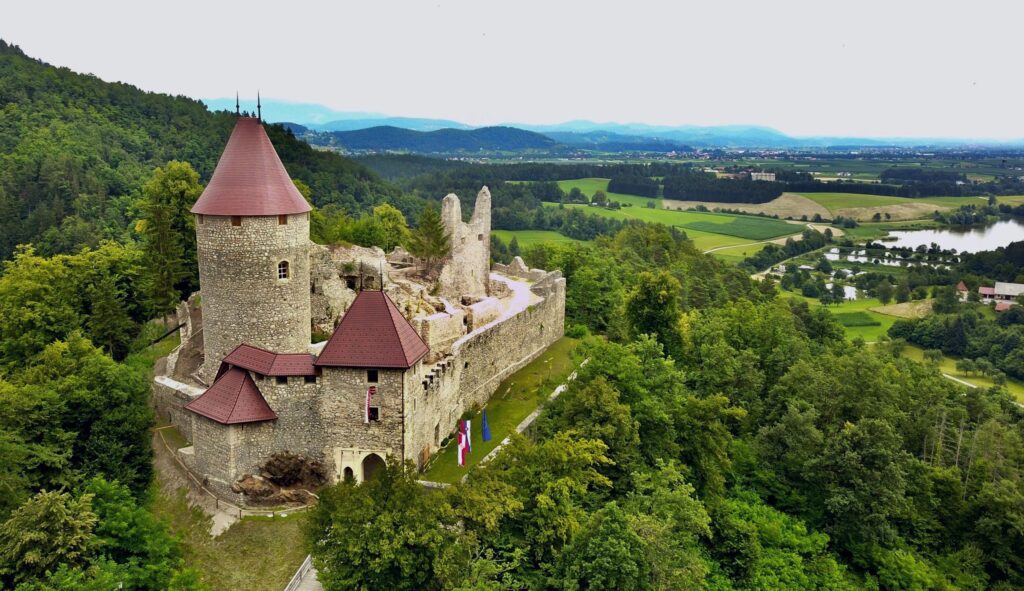
Castle Žovnek is one of the oldest castles in Slovenia. The first historical records name the Savinjski family as the ownes in the 12th century. They changed their family name to Žovnek around 1150.
The Lords of Žovnek also owned the castle Ojstrica in the Tabor municipality, as well and Polzela and Libenstein over the town of Prebold. The family expanded their land, military and economic might, as well as reputation. In 1333 they bought off the second half of Celje and moved there. In 1341, Friderik I. of Celje (formerly of Žovnek, since the family changed their name yet again) received the title of count, and in 1436, the family also acquired the title of imperial prince. or knez in Slovene.
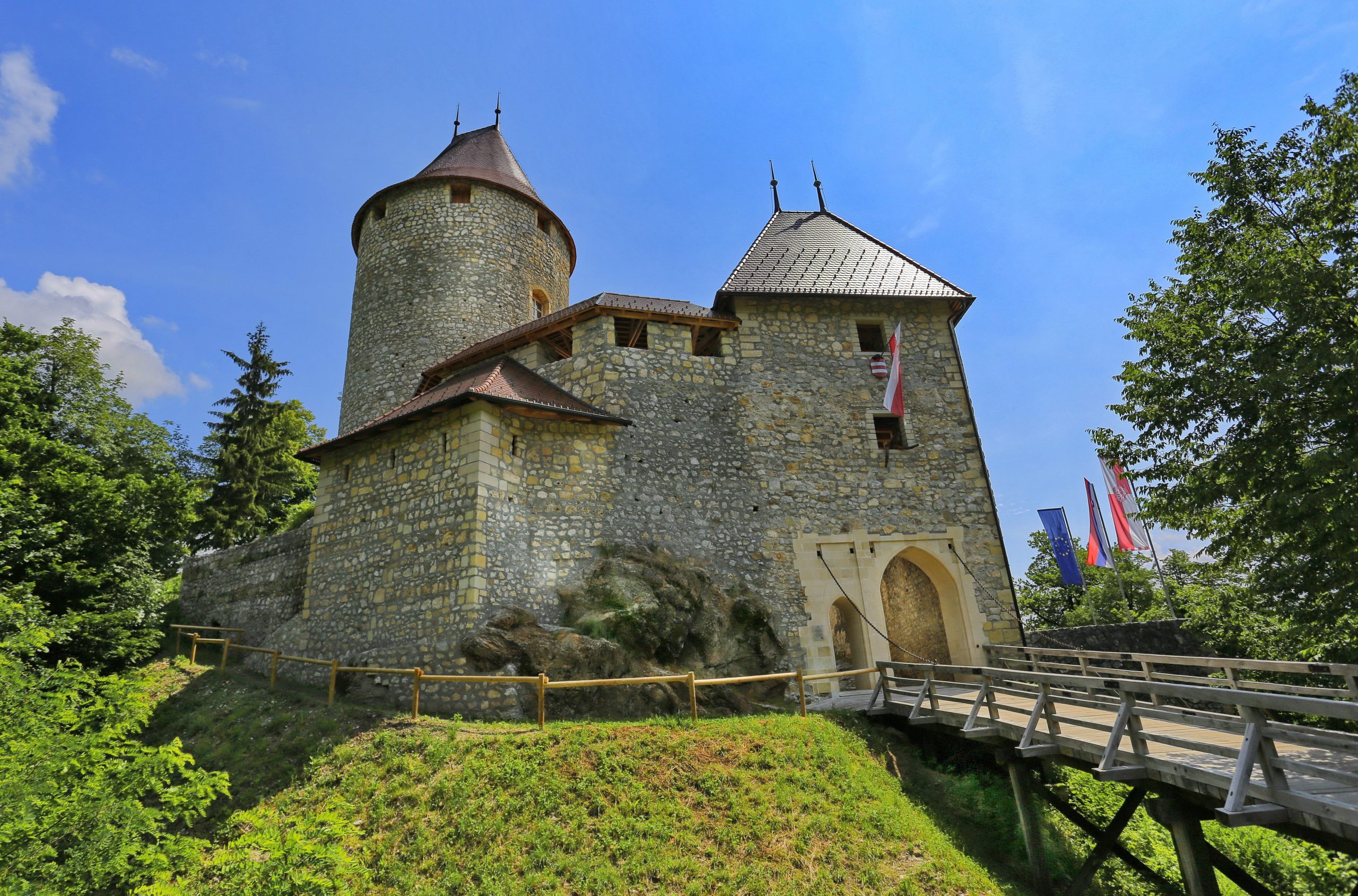
Despite Celje castle becoming the new home of the Žovnek family, they stayed very connected to their old castle as well as their symbols. The Žovnek castle remained their family castle, with the later Counts of Celje often visiting it. After the violent death of Ulrik the II. of Celje near Belgrade, the castle Žovnek – along with other properties of the family – became the possession of the Habsburgs. The last owner of the castle who lived there was Jožef Čokl von Ruhetal, who moved out in 1816, leaving the castle dilapidated.
Today, the once mighty castle still bears the signs of long-lasting neglect, but is in an active process of renovation.
RAKOVLJE SPORTS PARK
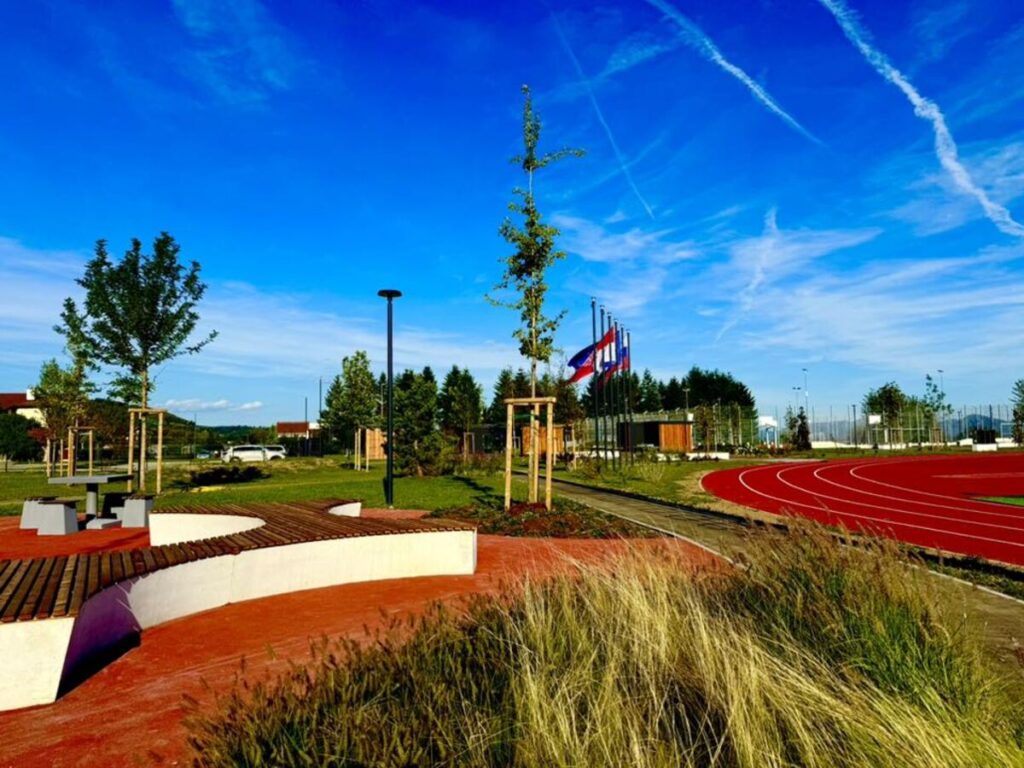
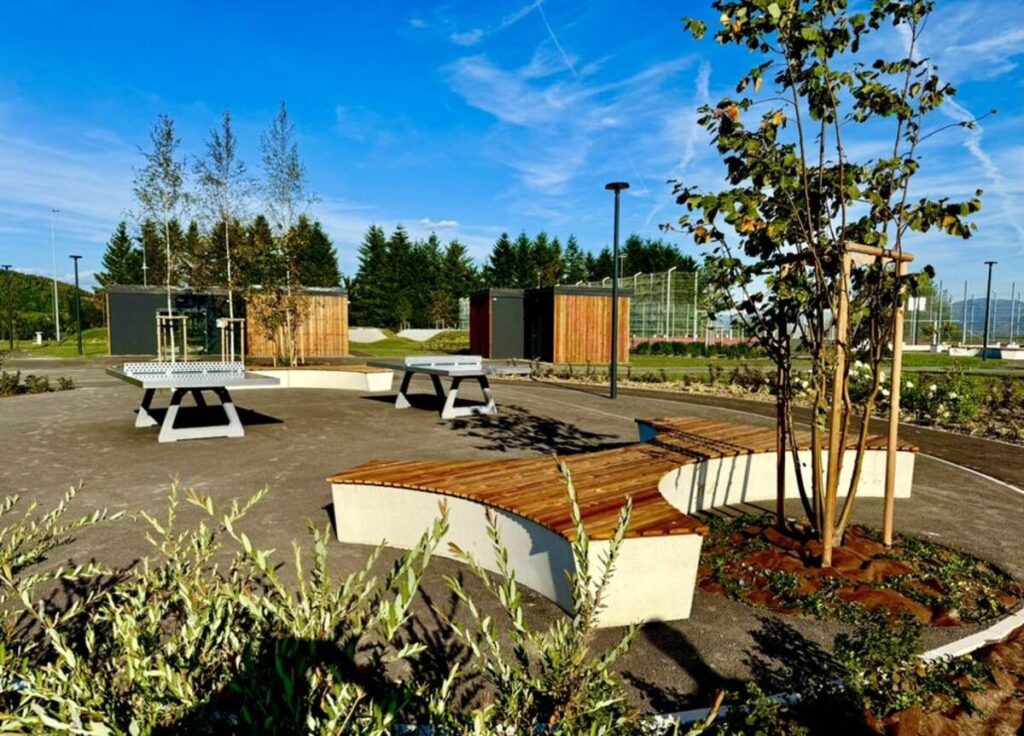
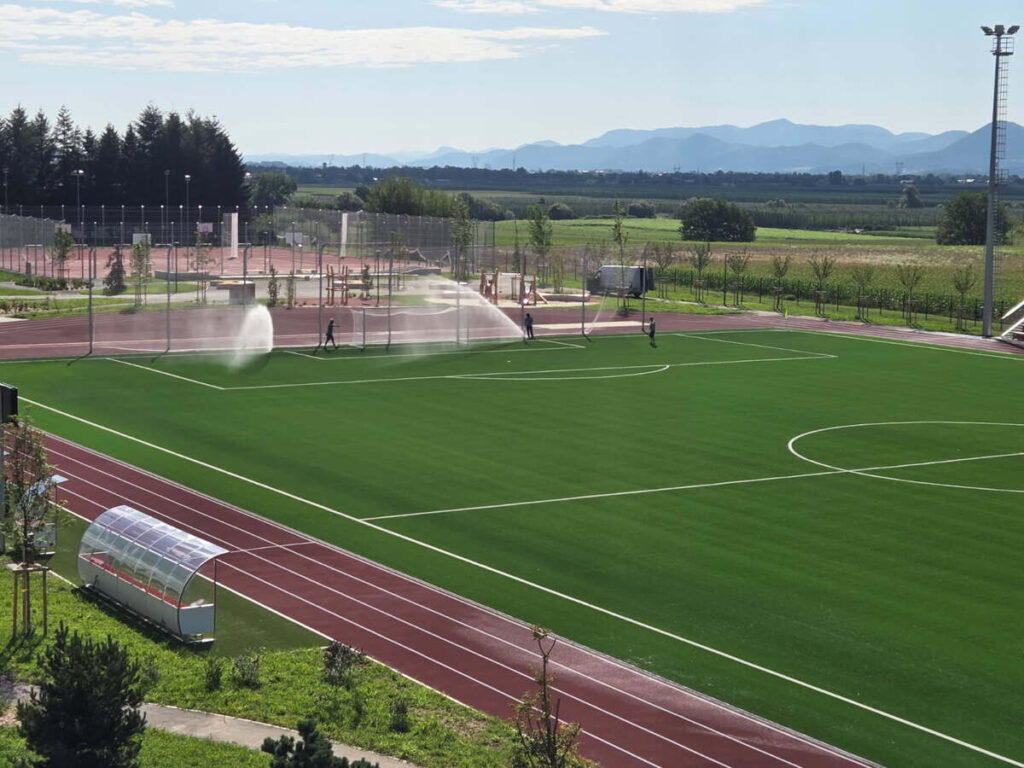
The last area of note is where the tournament itself will take place – the Rakovlje sports park. It is brand new – only opened in 2025, and a price tag of 3 million. There’s both outdoor facilities as well as a large gym available to us. Look at the pictures. Look at them. It’s gorgeous.